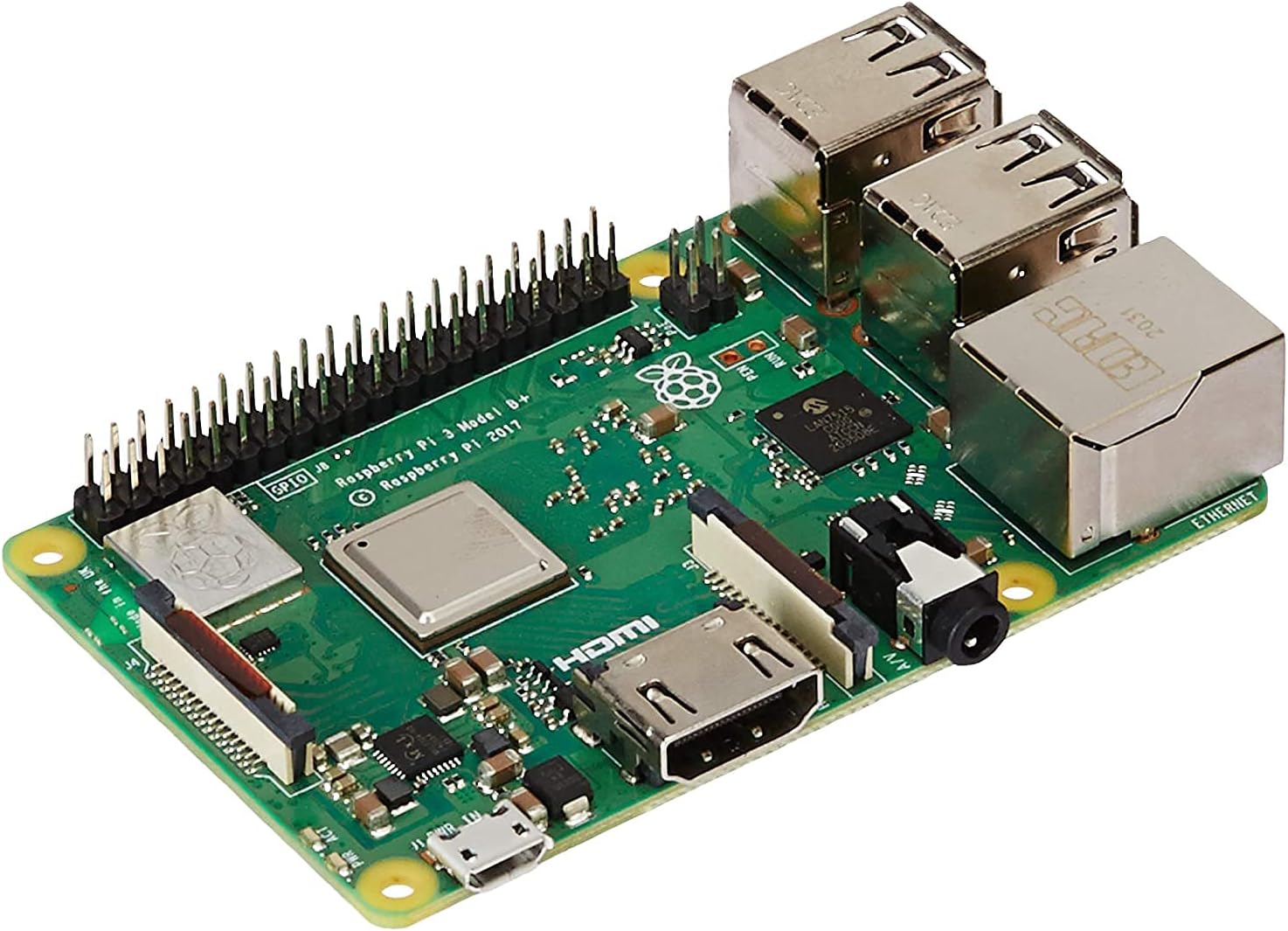
The Raspberry Pi 3 Model B+ remains one of those products that makes more sense when viewed as a flexible platform rather than as a normal desktop computer. People buy it for tinkering, lightweight servers, retro projects, learning Linux, home automation, and small embedded builds. In those roles, its value comes from versatility, community support, and low power consumption.
Why the Pi 3 Model B+ still matters
Even though newer Raspberry Pi models exist, the 3 Model B+ still occupies a useful middle ground for many hobby and educational projects. It offers enough performance for lightweight tasks, built-in wireless connectivity, Ethernet, GPIO access, and compatibility with the huge Raspberry Pi ecosystem.
That ecosystem matters more than raw specs. Documentation, accessories, tutorials, operating-system images, and community troubleshooting all make the board easier to use than a spec sheet alone would suggest.
Best use cases
- Learning and experimentation: ideal for people getting comfortable with Linux, scripting, and hardware projects.
- DIY and maker projects: useful for automation, sensors, kiosks, and custom builds.
- Retro gaming and media tasks: workable for lightweight emulation and certain playback projects.
- Small network services: suitable for lightweight self-hosted tasks when performance demands are modest.
What buyers should keep in mind
The Pi 3 Model B+ is flexible, but it does have clear limits. With only 1GB of RAM and older I/O, it is not the best choice for heavier multitasking, demanding desktop use, or storage-intensive workloads. Anyone expecting a smooth modern-PC experience in every scenario will run into those limits quickly.
Networking and power options are good for the category, and Power over Ethernet support can be especially useful in more structured projects. But buyers should remember that PoE typically depends on compatible accessories rather than being a complete all-in-one solution out of the box.
It is also worth thinking about total project cost. The board alone may be affordable, but many builds still need a power supply, storage, case, cooling, or accessories.
Who should buy it
The Raspberry Pi 3 Model B+ makes the most sense for makers, learners, and project builders who need a proven board with broad accessory and software support. It is less compelling as a main desktop replacement, but still very compelling as a flexible low-power project platform.
Final verdict
The Raspberry Pi 3 Model B+ remains a practical and approachable single-board computer for educational use, hobby projects, and lightweight services. Its value is not just in the hardware itself, but in the mature ecosystem around it. For the right type of buyer, that still makes it a strong option.