A portable Bluetooth speaker is one of those purchases where the marketing and the reality can drift a long way apart. Every listing shouts about “booming bass” and “immersive 360 sound,” yet the honest truth is that a speaker’s performance is largely dictated by a handful of measurable things: its size, its battery, how well it survives water and drops, how it pairs with your phone and with other speakers, and the physics of how much air it can move. Understand those, and you can cut through the noise and buy the right speaker the first time.
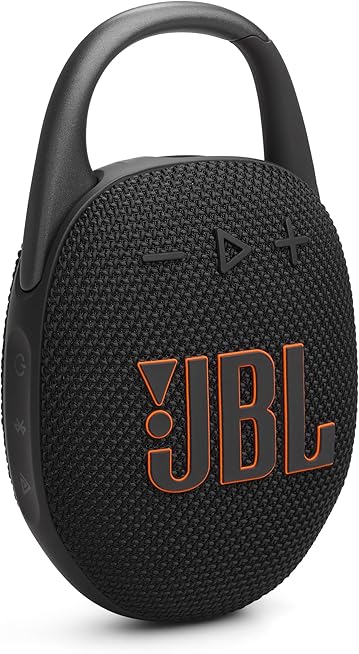
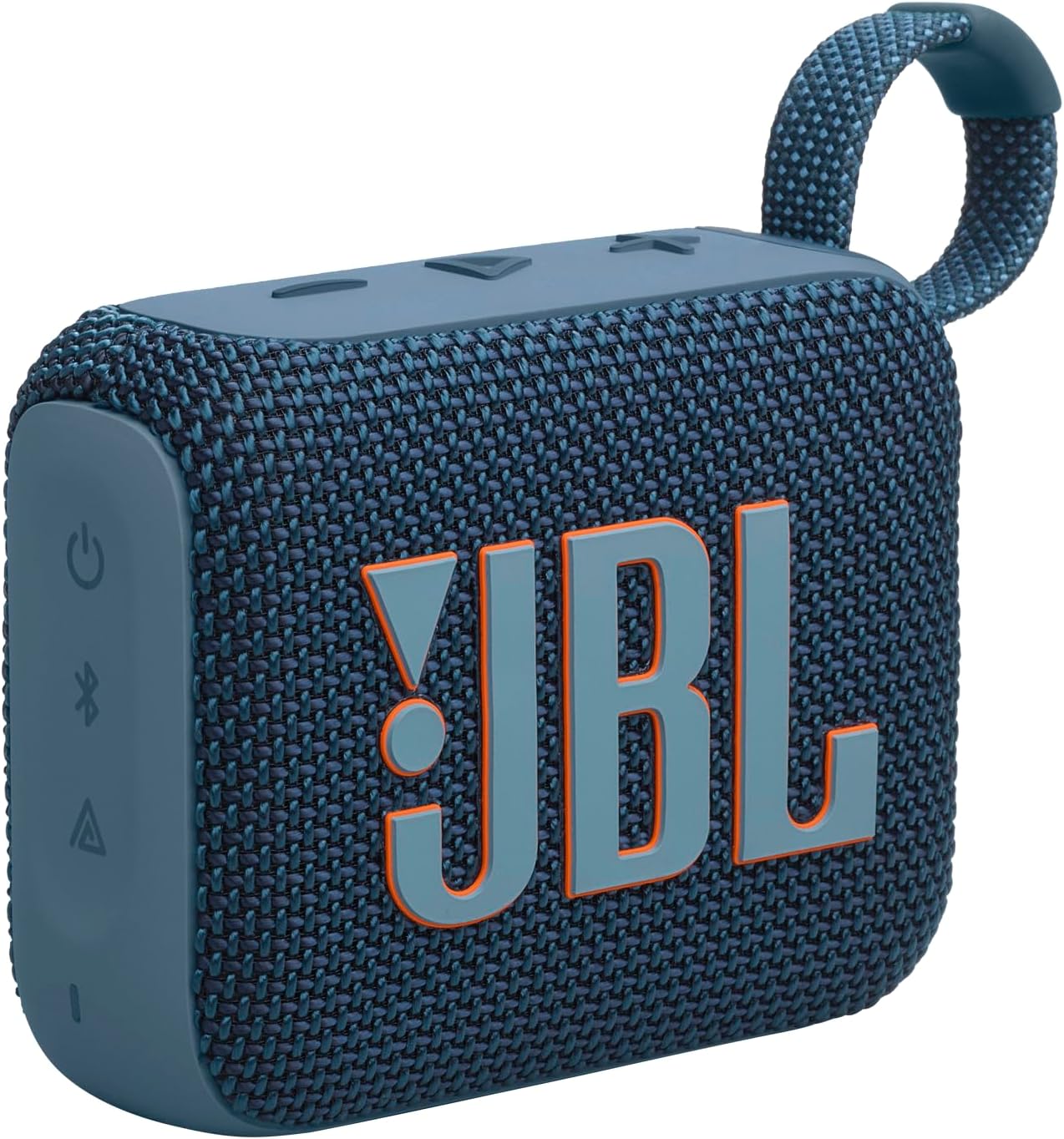
This guide explains what genuinely matters, with the water-resistance ratings decoded in plain language and realistic sound expectations by speaker size. We will use three well-known compact speakers as reference points throughout: the JBL Clip 5, the tiny JBL Go 4, and the larger, longer-lasting Anker Soundcore 2. Each represents a different point on the size-versus-sound curve, which makes them ideal for illustrating the trade-offs.
Specifications at a glance
| Spec | JBL Go 4 | JBL Clip 5 | Anker Soundcore 2 |
|---|---|---|---|
| Rated output | 4.2W RMS | 7W | 12W (dual driver) |
| Battery (rated) | Up to 7 hours | Up to 12 hours (+3 with Playtime Boost) | Up to 24 hours |
| Water/dust rating | IP67 | IP67 | IPX7 |
| Bluetooth | 5.3 with Auracast | 5.3 with Auracast | Bluetooth 5 |
| Multi-speaker | Auracast | Auracast | Stereo pairing (two units) |
| Notable feature | Ultra-compact, integrated loop | Built-in carabiner clip | AUX input, 5,200mAh battery |
| Class | Micro / pocket | Ultra-portable / clip-on | Compact / all-day |
Size and portability: the master trade-off
Almost every other decision flows from how big a speaker you are willing to carry. Physics is stubborn here: bigger enclosures and larger drivers move more air, which means more volume and, crucially, more bass. There is no way to cheat a truly tiny speaker into deep low end, no matter what the product page claims. So the first question is not “which sounds best” but “how portable does it need to be,” because that sets a ceiling on the sound.
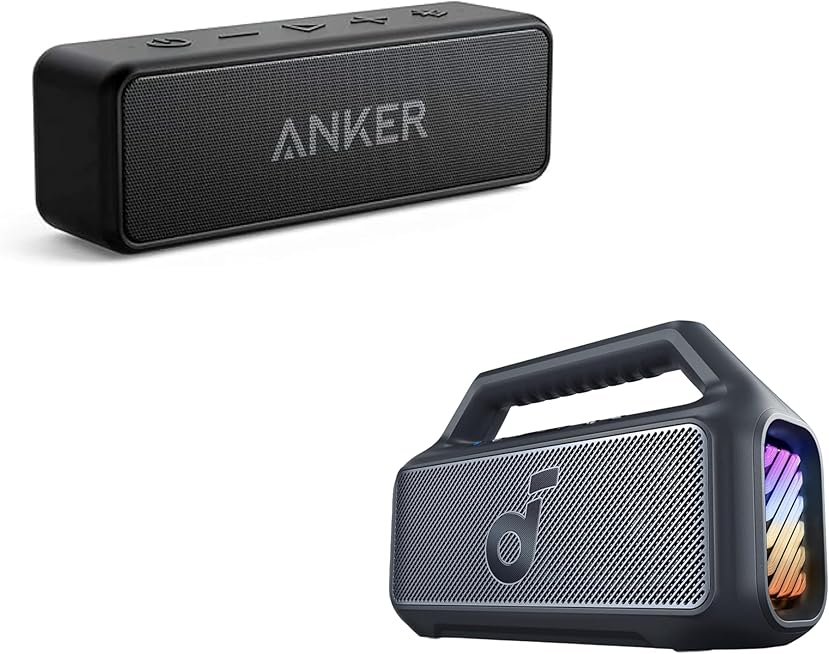
The three reference speakers map this out neatly. The JBL Go 4 is a pocketable micro-speaker you can slip into a bag and forget; it is about convenience and grab-and-go simplicity. The JBL Clip 5 is slightly larger and adds an integrated carabiner so it hangs off a backpack, water bottle holder, or tent pole, making it the classic travel and outdoor companion. The Anker Soundcore 2 is bigger again, roughly a cylinder that sits on a shelf or picnic table rather than clipping to a strap, and that extra size is exactly why it can carry a fuller, louder sound and a much larger battery. Decide where on that spectrum you sit before comparing anything else.
Battery life
Rated battery figures range enormously in this category, and they track size closely because a bigger body holds a bigger cell. The JBL Go 4 is rated for around 7 hours, the JBL Clip 5 for up to 12 hours (with an extra few hours available through a Playtime Boost mode that trades some sound character for endurance), and the Anker Soundcore 2 for up to 24 hours from its 5,200mAh battery. That spread is the difference between a speaker for an afternoon and one that lasts a full weekend of intermittent use.
A few caveats apply to every quoted number. Manufacturers measure battery life at moderate volume, often around 50 percent, so cranking the speaker loud will cut runtime significantly, sometimes by half. Bass-heavy music drains the battery faster than podcasts or gentle acoustic tracks. And some larger speakers can double as a power bank to charge your phone, which is handy but will obviously eat into their own playtime. Match the rated hours to how you will actually use it, then mentally shave some off for real-world volume.
Water resistance ratings, decoded
The IP rating is the most misunderstood spec on the box, so it is worth learning to read properly. “IP” stands for Ingress Protection, and it is followed by two characters. The first digit rates protection against solids and dust on a scale up to 6, where 6 means fully dustproof. The second digit rates protection against water. When you see an X, as in IPX7, it simply means the product was not formally tested for that category, not that it has zero protection.
Here is what the water digit means in practice for speakers:
- IPX4: resists splashes from any direction. Fine for rain, sweat, and poolside splatter, but not for dunking.
- IPX5: withstands low-pressure water jets, so a splash or a light spray is no problem.
- IPX6: handles powerful water jets, a step up in spray resistance.
- IPX7: survives temporary immersion, typically up to 1 meter deep for 30 minutes. This is the rating you want for a speaker that might fall in a pool or get rinsed under a tap. The Anker Soundcore 2 carries IPX7.
- IP67: combines full dustproofing (the 6) with that same immersion protection (the 7). Both the JBL Clip 5 and JBL Go 4 carry IP67, which is why they are so at home at the beach or on a dusty trail.
The practical rule: for anything used outdoors, at the pool, or in the shower, aim for at least IPX7 or IP67. A dust digit matters if you take the speaker to the beach or campsite, where fine grit is as much a threat as water. And remember that “waterproof” does not mean the speaker will play well underwater or survive salt water indefinitely; rinse it with fresh water after ocean or pool use.
Pairing and multi-speaker features
Basic pairing is universal, but the connection details still differ. Newer speakers use Bluetooth 5.3, as on the JBL Clip 5 and Go 4, which brings efficient, stable connections and good range, while slightly older models like the Anker Soundcore 2 use Bluetooth 5. For everyday listening within a room or a backyard, any recent Bluetooth version connects reliably; range and stability improve marginally with newer versions and degrade through walls.
Where speakers really diverge is in linking more than one together. Two approaches dominate. The traditional method is stereo pairing, where you connect two identical units to play left and right channels, or simply louder mono; the Anker Soundcore 2 supports pairing two units for wider stereo sound. The newer approach is Auracast, a Bluetooth broadcast feature that both the JBL Clip 5 and Go 4 support, which lets you chain multiple compatible speakers together for a bigger, room-filling result. If you think you might buy a second speaker later to expand your setup, check that the model supports a multi-speaker mode and, ideally, that it uses the same system as any speaker you already own, since the different ecosystems generally do not mix. A few speakers also include a 3.5mm AUX input, as the Soundcore 2 does, which is a useful fallback for wired sources.
What to realistically expect from the sound
This is where honest expectations save you disappointment. A pocket speaker like the JBL Go 4, with a single small driver and a few watts of output, is built for personal or small-group listening: a desk, a kitchen counter, a shower, a hotel room. It will sound clear and surprisingly punchy for its size, but it cannot produce deep bass or fill a large room, and pushing it to maximum volume will thin the sound. That is not a defect; it is physics, and it is the correct choice when portability is the priority.
Step up to a clip-on speaker like the JBL Clip 5, and you get more output and a fuller midrange that suits outdoor use and small gatherings, still without deep bass. Move to a larger compact speaker such as the Anker Soundcore 2, with dual drivers, 12W of output, and dedicated bass-enhancement, and you finally get noticeable low end and enough volume to energize a room or a modest outdoor space. The lesson is to buy for the room and the use case: do not expect a keychain speaker to power a party, and do not lug a big speaker to a quiet desk where a tiny one would do. If you want genuine room-filling home audio for TV and music, a different category such as a soundbar makes more sense; our VIZIO V-Series 2.0 sound bar review covers that use case.
Durability and build
Portable speakers live hard lives, so build quality is a real spec even though it never appears as a number. Look for rugged rubberized housings, tightly woven fabric grilles, and reinforced ports or sealed designs that back up the IP rating. Integrated attachment points add durability value too: the carabiner on the JBL Clip 5 and the loop on the JBL Go 4 mean the speaker rides securely rather than rolling off a table or out of a bag. A speaker that clips on is a speaker less likely to be dropped in the first place.
Also weigh how the speaker charges and whether its port is protected. USB-C is now standard and welcome; a covered or sealed charging port is what allows a speaker to earn its water rating, so inspect that flap and keep it closed in wet conditions. Finally, consider the ecosystem and app support, since firmware updates and EQ adjustment can extend a speaker’s useful life and let you tune the sound to your taste.
Pros and cons by speaker class
Micro / pocket (e.g. JBL Go 4) strengths
- Extremely portable and light; fits any bag or pocket
- Rugged IP67 protection despite the tiny size
- Ideal for desks, showers, kitchens, and travel
Micro / pocket limitations
- Limited volume and minimal bass
- Shorter battery life than larger speakers
Ultra-portable clip-on (e.g. JBL Clip 5) strengths
- Built-in carabiner for hands-free, secure carrying
- IP67 rating and Auracast multi-speaker support
- Fuller sound than pocket models with solid battery life
Ultra-portable clip-on limitations
- Still limited low-end compared with larger speakers
- Not designed to fill large spaces on its own
Compact all-day (e.g. Anker Soundcore 2) strengths
- Noticeably more volume and bass from dual drivers
- Very long battery life for weekend use
- Stereo pairing and an AUX input for flexibility
Compact all-day limitations
- Too big to clip on or slip into a pocket
- IPX7 water rating without a formal dust rating
Frequently asked questions
What does the “X” in IPX7 actually mean?
The X means the product was not formally tested for the first category, which is protection against dust and solids. IPX7 still confirms strong water protection (immersion up to about 1 meter for 30 minutes); it just does not certify a dust rating. IP67, by contrast, certifies both dustproofing and that same water immersion protection.
How much battery life do I really need?
For casual daily use, 7 to 12 hours like the JBL Go 4 or Clip 5 is plenty. For all-day outings, camping, or long parties, a longer-lasting model such as the 24-hour Anker Soundcore 2 is worth the extra size. Remember that high volume and bass-heavy music will reduce the rated figures noticeably.
Can I connect two Bluetooth speakers together?
Often, yes, but only within the same system. Some speakers pair two identical units for stereo sound, like the Anker Soundcore 2, while others use Auracast to chain several compatible speakers, like the JBL Clip 5 and Go 4. The different multi-speaker technologies generally do not work across brands or systems, so plan around one ecosystem.
Will a small speaker fill a room with sound?
Not really. Small speakers are built for personal and small-group listening; producing loud, bass-rich sound in a large room requires a bigger enclosure and more powerful drivers. Buy a compact speaker like the Anker Soundcore 2 rather than a pocket model if room-filling volume matters, or consider a soundbar for home audio.
Is a waterproof speaker safe to use in the shower or pool?
A speaker rated IPX7 or IP67, such as the JBL Clip 5 or Go 4, can handle shower spray and even a brief dunk in a pool. Keep the charging port cover closed, avoid deep or prolonged submersion, and rinse the speaker with fresh water after exposure to chlorinated or salt water.
Bottom line
Choosing a Bluetooth speaker comes down to deciding how portable it must be, then reading the specs honestly within that size class. Bigger means more volume and bass; smaller means more convenience, and no marketing phrase overturns that. Insist on an IPX7 or IP67 rating for anything used outdoors, match the battery life to your outings, and check the multi-speaker system if you might expand later. A pocket speaker like the JBL Go 4, a clip-on like the JBL Clip 5, and a larger all-day model like the Anker Soundcore 2 each serve a different need well, so buy the one that fits how and where you will actually listen.