Wireless earbuds have quietly become a commodity. Ten years ago, decent true-wireless sound cost a small fortune; today you can buy a genuinely usable pair for the price of a couple of takeout meals. That is great news, but it also makes shopping harder, because the budget shelf is crowded with hundreds of near-identical listings promising “HiFi bass” and “crystal-clear calls.” This guide explains the specs that actually separate good budget earbuds from disappointing ones, so you can read a product page and know what the numbers mean.
We will walk through Bluetooth versions and codecs, battery life, fit and comfort, water resistance, microphone quality, and the big question of whether you need active noise cancellation at all. Along the way we will point to real examples, including the value-focused Soundcore P20i and Apple’s entry-level AirPods 2nd generation, and if you want vetted picks you can jump straight to our best budget wireless earbuds for 2026 roundup.
What “budget” really gets you in 2026
Set expectations first. In the budget tier, roughly the under-$60 range, you are paying for the essentials done competently: reliable Bluetooth pairing, enough battery to get through a day with the case, a comfortable fit, and sound that is enjoyable rather than reference-accurate. What you are usually giving up compared with premium models is the last word in audio detail, the most effective noise cancellation, premium materials, advanced codecs for hi-res audio, and features like wear detection or wireless charging.
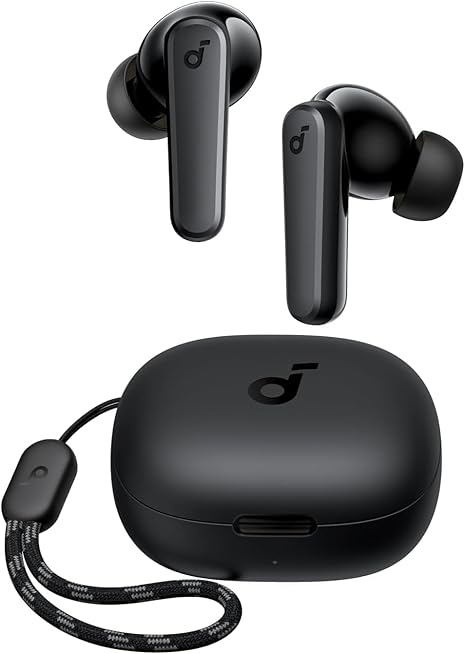
The encouraging part is how good the essentials have become. A well-reviewed budget pair like the Soundcore P20i offers 10mm drivers, an app with adjustable EQ, and long battery life for a price that would have bought you a cable a decade ago. The trick is knowing which corners a given model cut, because two earbuds at the same price can make very different compromises.
Bluetooth version and codecs
The Bluetooth version tells you roughly how modern and efficient the wireless connection is. Most current earbuds use Bluetooth 5.0 through 5.4. Newer versions generally bring better connection stability, lower power draw, and sometimes longer range, though the real-world difference between, say, 5.2 and 5.3 is modest. As a reference point, Apple’s AirPods 2nd generation use the older Bluetooth 5.0 built around Apple’s H1 chip, while a newer budget option like the Soundcore P20i uses Bluetooth 5.3. Both connect reliably; the newer standard is simply more efficient.
Codecs matter more than the version number for sound quality, and this is where budget models are most limited. A codec is how audio is compressed and sent to the earbuds. The universal baseline is SBC, which every pair supports and which sounds fine but not special. AAC is the next step and is what Apple devices and AirPods use; it performs well on iPhones in particular. Higher-quality codecs like aptX (common on Qualcomm-powered Android phones) and LDAC (Sony’s hi-res codec) can carry more detail, but they are rare on cheap earbuds and require a phone that supports them too. If hi-res wireless audio is important to you, check that both the earbuds and your phone list the same codec; otherwise you fall back to SBC or AAC regardless of the marketing.
The practical takeaway: for most budget shoppers, SBC and AAC support is enough, and you should not pay a premium for a codec your phone cannot use. A useful bonus to look for is multipoint, which lets the earbuds stay connected to two devices at once, such as a laptop and a phone.
Battery life and charging
Battery is quoted in two numbers: playtime from the earbuds alone, and total playtime including the charging case. Both matter. Around 5 to 10 hours from the buds is typical, and 20 to 30 hours or more with the case is common at this price. The Soundcore P20i, for example, is rated for up to 10 hours per charge and around 30 hours total with the case, while the AirPods 2nd generation are rated for up to 5 hours per charge with more than 24 hours total via the case. The higher per-bud figure on the P20i means fewer trips back to the case during a long day.
Two details are easy to overlook. First, quick-charge support is genuinely useful; many budget buds now give a couple of hours of playback from a 10-minute top-up, which rescues you before a commute. Second, check the charging port and method: USB-C is now standard and preferable, and some cases add wireless charging, though that feature is less common at the bottom of the market. Remember that rated battery figures are measured at moderate volume, so heavy listeners should expect somewhat less.
Fit and comfort
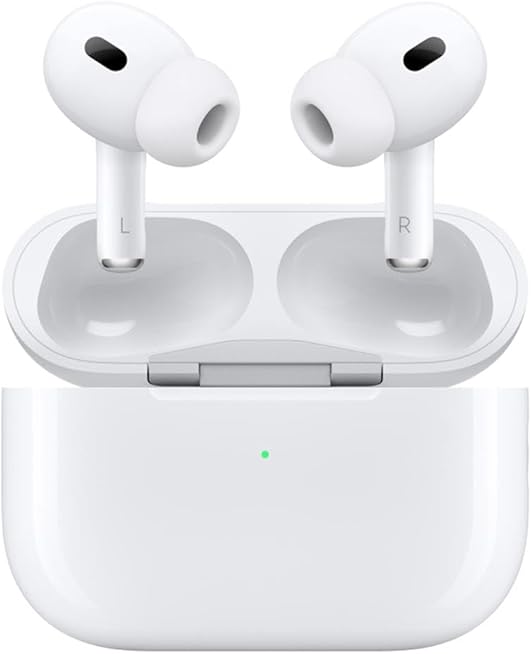
The best-sounding earbuds in the world are useless if they fall out or ache after an hour, so fit is not a secondary concern. There are two broad designs. In-ear (or in-canal) buds like the Soundcore P20i use silicone tips that seal inside the ear canal; this passive seal blocks outside noise, improves bass, and helps them stay put during movement, but it can feel intrusive to some people. Open or semi-open designs like the AirPods 2nd generation rest at the entrance of the ear without sealing; they feel airier and let in ambient sound, which some prefer for awareness, but they deliver weaker bass and less isolation and rely on their shape matching your ears.
If you choose sealed in-ear buds, multiple tip sizes in the box are important, because the right tip size is what creates both comfort and a proper seal. A poor seal is the most common reason people think budget earbuds sound thin. If you plan to run or work out, look for a secure fit and consider models with wingtips or ear hooks. And if you already know the open AirPods shape suits your ears, that is a legitimate reason to favor a similar design even at the cost of isolation.
Water and sweat resistance
Water resistance is described by an IP rating, and for earbuds the number to watch is the second digit. IPX4 means protection against splashes and sweat from any direction, which is the sensible minimum for workouts and rainy commutes. IPX5 adds resistance to low-pressure water jets, offering a bit more margin; the Soundcore P20i carries an IPX5 rating, for instance. Higher ratings like IPX7 mean the buds can survive brief submersion, though that is uncommon in this category.
Not every pair is rated at all. Apple’s AirPods 2nd generation, for example, do not carry an official water-resistance rating, unlike some newer AirPods models, so they are best kept away from heavy sweat and rain. If you intend to use earbuds for exercise, treat an IP rating as a requirement rather than a nice-to-have, and check it on the spec sheet rather than assuming.
Microphone and call quality
Call quality is the spec most often oversold and most often disappointing on cheap earbuds. Manufacturers advertise “AI noise reduction” and multiple microphones, but performance varies widely, especially outdoors or in wind. More microphones per bud generally helps the earbuds separate your voice from background noise; the Soundcore P20i, for instance, uses two microphones with an AI algorithm aimed at clearer calls. Even so, budget buds rarely match a premium pair for call clarity in noisy environments.
If you take a lot of calls, prioritize models that reviewers specifically praise for microphone performance rather than trusting the marketing copy, and be realistic: for critical calls, a quiet room will help far more than any codec. For music-first buyers who only occasionally take a call, average mic performance is a perfectly acceptable trade-off.
ANC versus no ANC
Active noise cancellation uses microphones and electronics to cancel steady background sound like airplane cabins, trains, and office hum. It has trickled down into the budget tier, but with a catch: cheap ANC is not the same as good ANC. Weak implementations barely reduce noise and can add a faint hiss, so ANC on the box does not guarantee a meaningfully quieter experience. Strong ANC remains largely a premium feature.
For many buyers, well-fitting sealed in-ear tips provide enough passive isolation that dedicated ANC is unnecessary. Neither the Soundcore P20i nor the AirPods 2nd generation offers active noise cancellation, yet both remain popular because they do the fundamentals well. Decide honestly whether you regularly sit in loud, constant-noise environments. If you commute by plane or train often, save toward a pair with genuinely effective ANC; if you mostly listen at home, on walks, or at a desk, a non-ANC pair with a good seal is often the smarter budget buy.
The role of the companion app
One feature that punches above its price is a good companion app. Apps let you adjust EQ to suit your taste, remap the touch controls, locate misplaced buds, and install firmware updates that can fix bugs or add features after purchase. The Soundcore app, for example, offers a large set of EQ presets and custom tuning for the P20i, which lets you tame or boost the bass to taste. Apple’s earbuds instead rely on tight integration with iOS rather than a standalone tuning app. If you like to tinker with sound, app-based EQ can transform how a budget pair sounds for free.
A quick pre-purchase checklist
- Battery: at least 5 hours per bud, plus a case total that fits your routine, ideally with quick charge and USB-C.
- Fit: sealed in-ear for isolation and bass, open-style if you prefer awareness; confirm multiple tip sizes are included.
- Water resistance: IPX4 or better if you will exercise or commute in the rain.
- Codecs: AAC for iPhone users; do not overpay for hi-res codecs your phone cannot use.
- Extras: a companion app with EQ, and multipoint if you switch between devices.
- ANC: only if you genuinely face constant background noise and the specific model’s ANC is well reviewed.
Frequently asked questions
Are budget wireless earbuds good enough for everyday use?
Yes. For commuting, workouts, podcasts, and casual music listening, a well-chosen budget pair like the Soundcore P20i covers the essentials comfortably. You mainly give up top-tier audio detail, strong noise cancellation, and premium extras, none of which are essential for everyday use.
Do I need active noise cancellation?
Only if you regularly listen in loud, steady-noise environments such as planes or trains. A good seal from the right ear tips provides useful passive isolation on its own, and cheap ANC is often weak, so many people are happier with a well-fitting pair that has no ANC.
What Bluetooth codec should budget earbuds have?
SBC is the universal baseline and AAC is a worthwhile step up, especially on iPhones. Higher-end codecs like aptX or LDAC only help if your phone supports the same codec, so most budget buyers do not need to prioritize them.
How important is the IP water-resistance rating?
Very, if you exercise or get caught in the rain. Look for at least IPX4 for sweat and splash protection. Some popular models, such as the standard AirPods 2nd generation, carry no official rating, so confirm it before relying on the buds around water.
Will budget earbuds work with both iPhone and Android?
Yes, true-wireless earbuds use standard Bluetooth and pair with both. Apple’s AirPods gain extra convenience features on Apple devices, while app-based earbuds like the P20i offer their EQ and control features through an app on either platform.
Bottom line
Buying budget earbuds well is mostly about matching a few honest specs to how you actually listen rather than chasing marketing buzzwords. Nail the fit, get enough battery for your day, insist on an IP rating if you sweat, and treat AAC support and a decent companion app as the sweet spot for value. Skip cheap ANC unless you truly need it. Get those basics right and an affordable pair such as the Soundcore P20i or the AirPods 2nd generation will serve you well; for shortlisted picks, start with our budget wireless earbuds roundup.